
Revenue Intelligence for Trade Shows, Conferences and Event Portfolios.
Kronos Events works with event organizers, trade shows, conferences and associations to address challenges in sales, exhibitor and sponsor renewals, pricing, audience development and brand positioning.
As a specialized unit of Kronos Experience, we combine market intelligence, sales strategy, marketing and data to guide decisions on revenue, efficiency, positioning and expansion.
We help your business grow revenue and margins, deliver greater returns for exhibitors and sponsors, attract a more qualified audience and develop commercially viable events, products and business models.
Events that deliver more value for organizers, investors and participants.

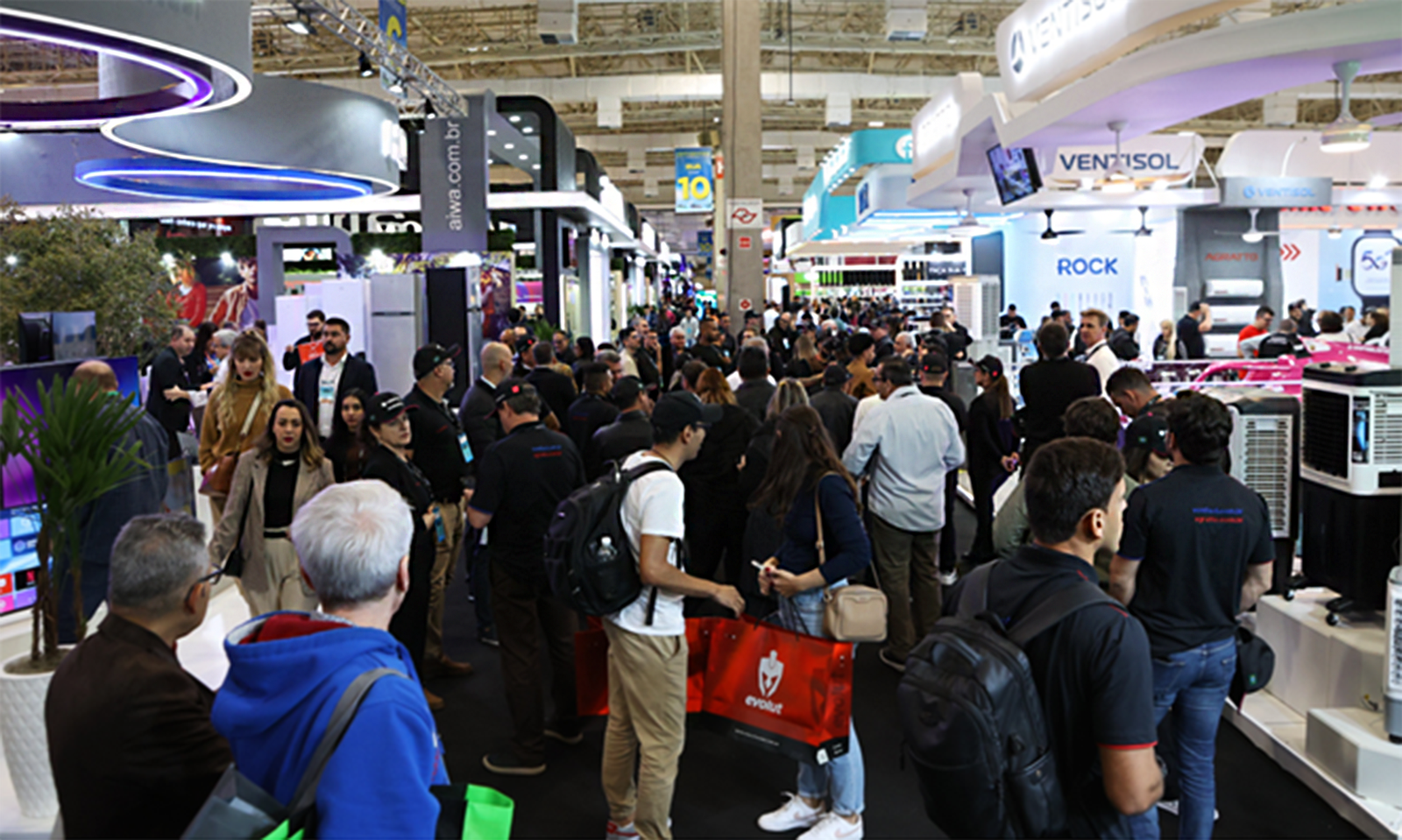


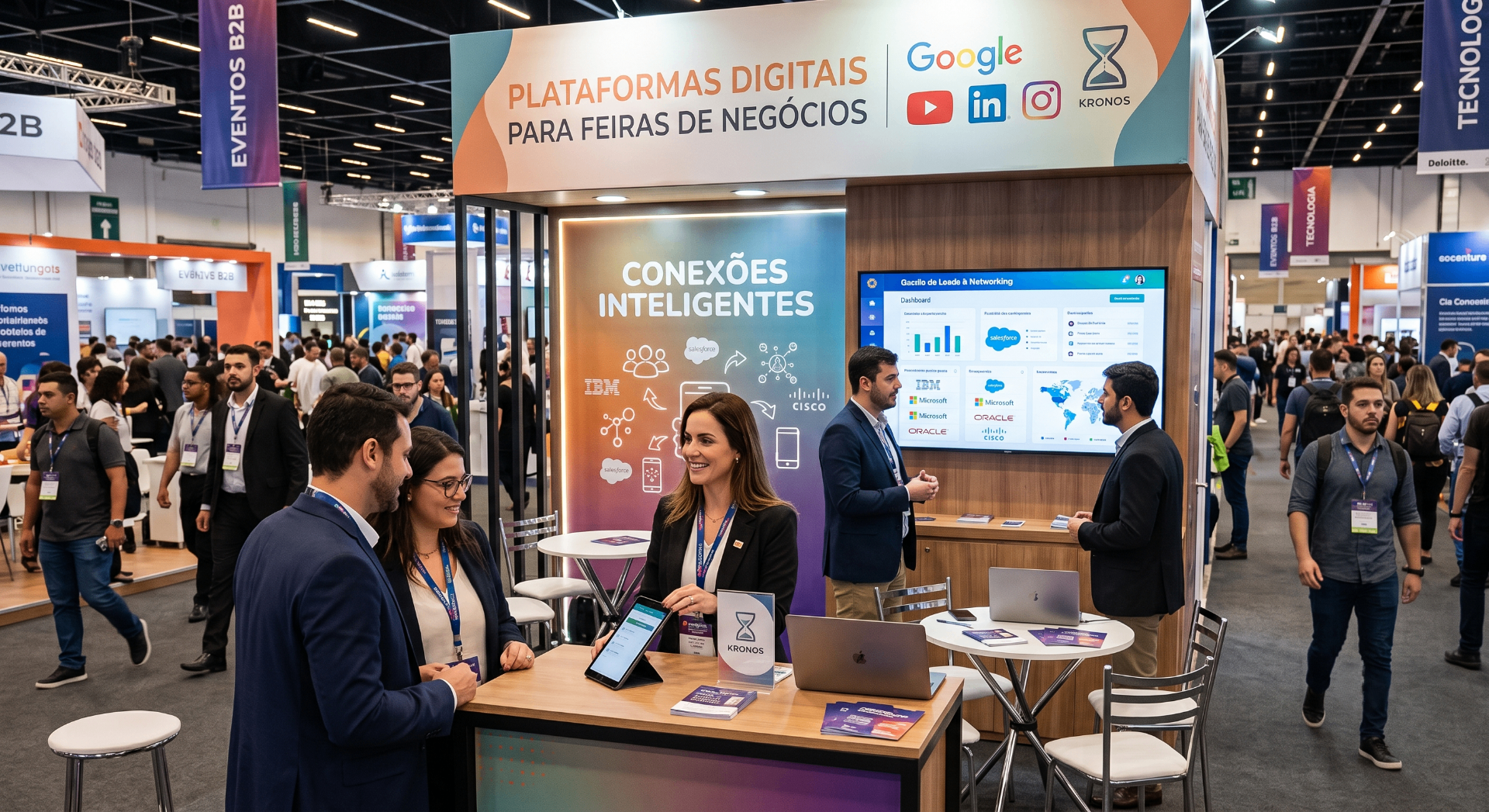

Experience Across Multiple Sectors and Formats



WHERE WE WORK
A roadmap to grow event revenue, value and relevance.
From market analysis to renewals, Kronos Events works across the areas that shape sales, audience development, investor returns and new opportunities.
- 01
- 02
- 03
- 04
- 05
01
Market, Positioning & Growth
Where is there room for the event to grow?
- Market research
- Sector potential
- Priority segments and accounts
- Positioning
- New opportunities
02
Revenue, Sales & Sponsorship
How can you capture more of the event's commercial value?
- Sales strategy
- Offering review
- Pricing
- Sponsorship structure
- New products and properties
03
Audience, Attendance & Matchmaking
How can you attract the right people for the right companies?
- Contact database segmentation
- Priority buyers
- Acquisition and registration
- Audience qualification
- Matchmaking
04
Performance, ROI & Renewals
How can you demonstrate value before asking for the next investment?
- Performance indicators
- ROI and ROO
- Renewals
- Customer win-back
- Account expansion
05
Innovation Lab
Where can a new opportunity become a product, revenue stream or competitive advantage?
- Opportunity identification
- Hypotheses
- Prioritization
- Structuring
- Blueprint
EVENT INTELLIGENCE
Data, behavior, media, research and results form a proprietary intelligence base to structure offerings, acquisition, matchmaking, investments and new projects in future cycles.
Strategy that stays with you.
Turn uncertainty into demonstrable ROI. Kronos Events combines data governance, technology and human intelligence to ensure full predictability in revenue generation. In an increasingly competitive market for corporate events and B2B portfolios, relevant experiences and clearly demonstrated results strengthen sponsor confidence and build a more solid foundation for renewals.




Grupo Eletrolar | Trade show portfolio
FROM
Define how Eletrolar Show and its expanding portfolio should compete in markets with different economic, regulatory and logistical dynamics and levels of consumer market maturity, translating that analysis into decisions on positioning, sectors, audiences, exhibiting, attendance and new trade shows.
TO
Strategic and marketing planning, market research, audience definition and segmentation, digital media, content, influencer and press relations, audience intelligence, data and the development of new communications and experience initiatives aligned with each event's priorities.

ConstruNordeste
FROM
An edition of a construction industry event that required continuous monitoring of registration trends and audience composition throughout the campaign.
TO
Acquisition and paid media strategy, database segmentation and analysis, registration tracking and audience qualification by region, role, sector and professional profile to guide actions throughout the edition's cycle.


New project development
FROM
New events, proprietary event spaces and projects in development that needed to turn an initial idea into a clear proposition for the market, participants, sponsors and partners.
TO
Concept, value proposition, product structure, audiences, market narrative, revenue architecture, sponsorships and presentation materials developed to match each project's objectives and model.
KRONOS EVENTS
The Event Intelligence Cycle.
A proprietary revenue architecture methodology applied to events.
Diagnose
We examine the market, competitors, past performance, positioning, account portfolio, audience, databases, paid media, processes and operational structure to identify risks, opportunities and priorities.
Structure
We define priorities, the value proposition, segments, audiences, commercial offerings, channels, processes, goals and metrics to guide event execution.
Monitor
We monitor sales, campaigns, registration, audience composition and database performance to anticipate deviations and guide next steps.
Consolidate and develop
We turn results and lessons learned into evidence of value, renewal messaging, sales opportunities and priorities for the next edition.
Contact Us
Kronos Intelligence
Business strategy and intelligence consulting: what it does and when to hire a firm
Understand what a business strategy and intelligence consultancy does, when to hire one, and how it connects market, customers, product, and revenue.
Strategy consultancy and specialized agency: differences in scope, deliverables, and responsibility
Understand the differences between a strategy consultancy and a specialized agency, what each delivers, and how to choose a partner for your company.
Business assessment: how to set priorities before investing in solutions
Understand how a business assessment analyzes the market, customers, and operations to set priorities and guide investment in solutions.
Decision-making in complex environments: how to use perspective, context, and data
Learn how to use perspective, context, and data to compare alternatives, guide investments, and track results in your company.
Scenario planning: how to prepare for decisions in volatile markets
Understand how scenario planning guides investment, offerings, and delivery capacity under different market conditions.

Market intelligence: how to guide positioning, product, and investment
Understand how market intelligence guides positioning, products, segments, and investments using customer, competitor, and operational data.

Data in context: how metrics become meaningful for management
Learn how to analyze metrics in context, compare periods, and connect marketing, sales, product, and revenue data to the management of your business.
Single source of truth: how to organize data across marketing, sales, and finance
Learn how to organize definitions, sources, and responsibilities to reconcile marketing, sales, and finance data in your company.
Data governance for AI: foundations, responsibilities, and information quality
Learn how to organize sources, quality standards, access, and responsibilities to use data in your company's artificial intelligence projects.
Executive metrics: how to measure marketing, revenue, and operations
Organize executive metrics to track marketing, revenue, and operations, with clear definitions and analysis tied to your company's objectives.
Semantic brand identity: how to be understood by people, search engines, and AI
Understand how to organize your category, offering, audiences, and supporting evidence so customers, search engines, and AI assistants can understand your brand.
SEO, GEO, and AEO in 2026: what changes in organic visibility
Understand the differences between SEO, GEO, and AEO and how to organize content, technical access, and measurement for AI searches and answers.

How to get cited by ChatGPT, Gemini, Google AI, and Microsoft Copilot
Learn how to organize content, authorship, sources, and technical access to support your company's presence in AI searches and answers.
B2B content for Search AI: how to answer buyers' questions
Organize B2B content with clear answers, experience, sources, and authorship to support buyers using search engines and AI assistants.
B2B digital authority: trust signals before the first sales conversation
Understand which information, evidence, and references help B2B buyers evaluate your company's experience and credibility.

Revenue architecture: how brand, acquisition, CRM and sales contribute to the business
Understand how to connect brand, acquisition, CRM, sales, product and retention to organize how your company generates and sustains revenue.
Marketing and sales: how to align audiences, information and responsibilities
Learn how to align marketing and sales through definitions of target audiences, qualification, inquiry handling and sales follow-up tied to revenue.

Demand quality: how to assess intent, fit and sales potential
Learn to assess demand quality by fit, intent, purchase timing and sales potential, using marketing and sales information.
B2B marketing attribution: how to analyze influence across long buying journeys
Understand B2B attribution models, their limits and how to combine channel, CRM and customer data to analyze marketing's contribution.
Paid media planning: how to allocate investment across brand, demand and purchase
Learn how to plan paid media around your audience, offer, purchase intent, and sales capacity, with investment and measurement aligned to each objective.

AI in business: how to choose applications with economic value
Learn how to choose AI applications based on tasks, data, investment, and results, using tests and ongoing measurement of their value to your company.
AI projects: how context, data, and adoption contribute to returns
Understand how to evaluate returns on AI projects using data, actual usage, output quality, and total implementation and operating investment.
AI agents in B2B purchasing: information brands and sales teams need to organize
Understand how AI agents support B2B research and what information your company needs to organize about its offering, implementation, and experience.
Technology as a management tool: how to choose tools based on your business context
Learn how to choose tools based on your company's processes, data, integration needs, total investment, and capacity for adoption.
Change management in marketing, data, and AI: how to plan for adoption
Learn how to plan the adoption of processes and technologies in marketing, data, and AI, with clear responsibilities, training, and usage monitoring.
Event intelligence: how audiences, content, and sales generate business value
Learn how to connect market insight, audiences, content, exhibitors, and sponsorship to build business value for trade shows and professional events.

Market research for trade shows: audience, positioning, and commercial proposals
Learn how to research markets, visitors, exhibitors, and sponsors to guide a trade show’s positioning and commercial proposals.

Registration data: how to assess an event’s audience profile
Understand how to analyze registration, attendance, profiles, and interests to assess your audience and guide your event’s sales planning.

Audience intelligence for exhibitors and sponsors: how to structure commercial proposals
Learn how to use audience data to structure proposals for exhibitors and sponsors, with defined deliverables, objectives, and performance tracking.
Trade show results: how to measure audience, relationships, and ongoing engagement
Learn how to measure trade show results using audience, experience, opportunity, and revenue data, distinguishing participation from confirmed business.
Digital complexity: how to connect marketing, sales, data, and technology
Learn how to connect marketing, sales, customer service, product, data, and technology to improve your company's management and performance.
Digital transformation: how to connect technology, processes, and results
Learn how to select and implement technology with objectives, accountable owners, data, and metrics tied to your company's results.
From digital presence to market intelligence: how to use business signals
Learn how to connect searches, content, customer service, CRM, and product usage to guide positioning, offerings, and investments.
The company as an adaptive system: connecting signals, response, and learning
Learn how to connect markets, customers, marketing, sales, product, and data in a regular process of analysis, response, and monitoring.
The B2B sales funnel: what it measures and what happens outside it
Understand what the sales funnel measures, how B2B buyers research, and why management needs to track accounts, buying groups, and signals.
The B2B dark funnel: what happens before the first sales contact
Understand how buyers research suppliers outside the CRM and how to connect content, events, referrals, and sales data to the B2B journey.
From lead to purchase intent: how to evaluate B2B account signals
Learn how to analyze fit, frequency, depth, and buying group participation to guide sales engagement with B2B accounts.

Full pipeline, uncertain revenue: how to evaluate sales opportunities
Understand how to analyze fit, buyer progress, time in stage, and probability to improve sales pipeline quality.
Kronos Experience
Kronos Experience examines your entire business to find new opportunities for revenue, efficiency and competitiveness.
- New markets and products
- New revenue streams
- Greater ability to adapt and respond
FREQUENTLY ASKED QUESTIONS